
Mentors are like parents, in a way. They help guide you and help you grow, mostly in career related ways, though also as humans, if they are any good, that is. I’ve had the great fortune of having had several awesome mentors in my life and feel greatly enriched by having known them and learned from them. None of them are perfect, none of us are. And though I wished my relationships with them could have been deeper and more lasting, life is what it is, and I am so thankful for what these men put in my life. I always prefer to surround myself with people way smarter than me (which isn’t hard).
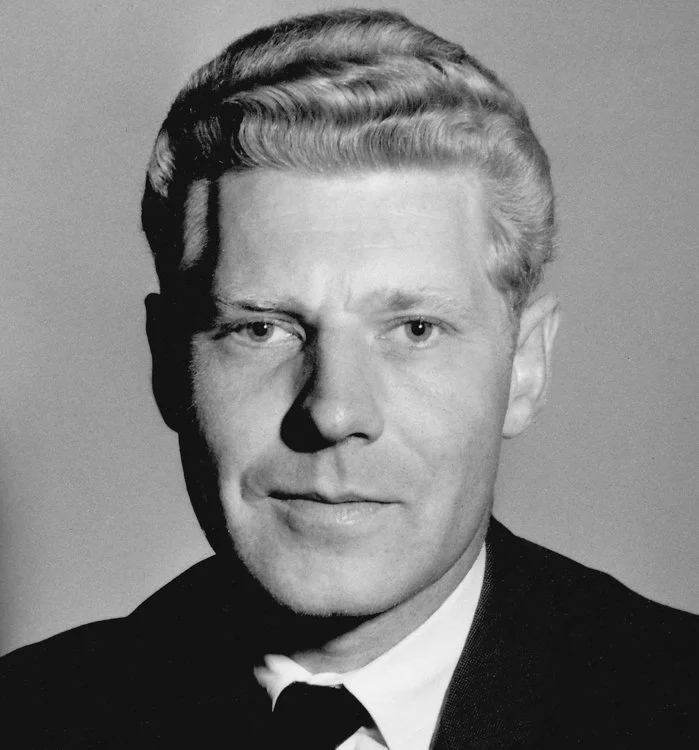
My first mentor was obviously my dad. He taught me more by example than in a didactive way. He demonstrated not only responsibility but care and generosity. He expected obedience, though gave lots of latitude. He never stayed angry. Hard work, family, self-sufficiency, creativity, stick-to-itiveness, order, obedience to the rules and to authority were all things he exemplified. He would also encourage leisure and enjoyment of the good things in life. When I wanted to work extra weekends and summers for spending money he’d say: “Jon, you’re going to work the rest of your life. Take some time and enjoy”. What he enjoyed most, I think, was a hard day’s work at some meaningful and successfully accomplished project then a good meal and time to sit and chat together about whatever. He loved to schmooze. He worried about not being good enough, probably worried too much. But in the end, you always knew he had your back.
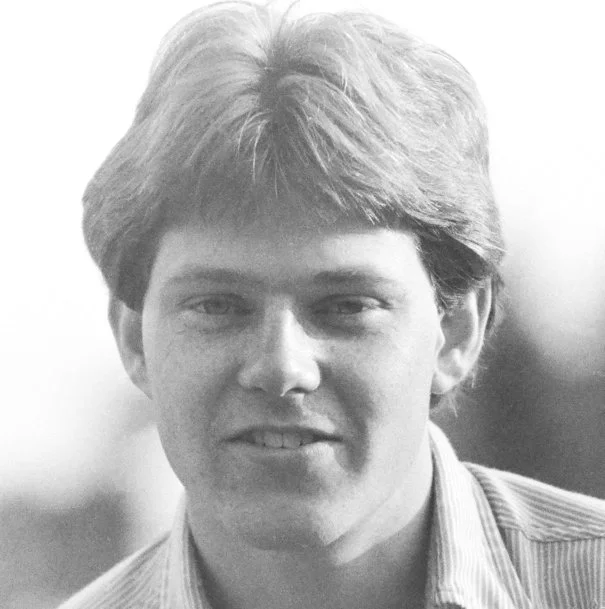
It's probably odd to list your baby brother as a “mentor”, though I’ve learned a lot from him over the years. I think he picked up more traits from my dad than I did and took them further. It was hard for us boys to transition from California living to up tight and foreign Norway. While my way of dealing with the inevitable culture shock and peer-conflict was to retreat to my books and laboratory, my brother met it head-on. Often coming home with a bloody nose as a consequence. And with a pugnacious spirit, my brother forged his way career-wise but built his family with a gentle grace and forbearance. He turned out to be the responsible one.
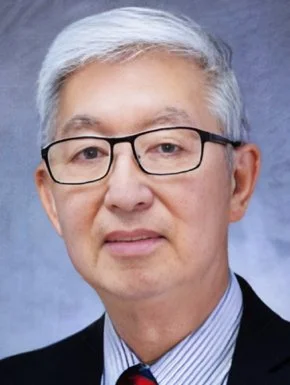
My next mentor was Dr. Paul Fu, PhD. Dr. Fu (I don’t remember any of us calling him “Paul”, ever) was (I believe he has passed on by now) a professor of pathology at Harbor UCLA Medical Center. I was referred to him by my O-chem instructor at El Camino College, Mr. Campbell, as an aspirant for a career in science, and also, I think, in order to rid himself of this little pest that just wanted to stay in the campus O-chem lab day and night. Dr. Fu had a quiet way about him but taught me a lot about benchtop laboratory science and the scientific mindset.We were a small group and got to know each other pretty well. On occasion, we’d get treated to a dinner at Dr. Fu’s Chinese restaurant in town. Always fun and delicious. Mostly, Dr. Fu emphasized a disciplined focus in one’s work. The key to success, he said, was this: “Jon, you must focus! Focus is very important! Focus, focus, FOCUS!” I’m afraid I failed.
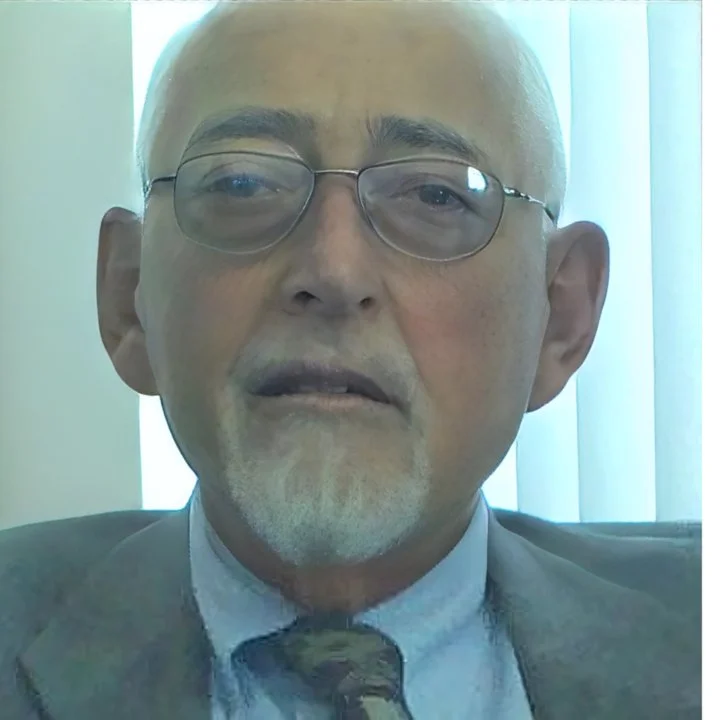
Next was Dr. Gordon Globus MD, Gordy to his friends. Gordy was an existential psychoanalyst, Heidegger scholar and Derrida enthusiast. A lucid dreamer, he wrote a lot about what dreams tell us about our psyche (Globus 1987). He introduced me to the writings of Ken Wilbur and transpersonal psychology, and tried, in vain I’m afraid, to shepherd me through “Being and Time”. Gordy was your quintessential “Freudian” type: Bespectacled, goatee’d, deliberate. I can recall discussing Heidegger with him or going through some esoteric transpersonal issue. He would lean back, stroke his goatee with an arthritic hand and ponder the question. He really did listen, and I think this was the most important thing he taught me. He would say: “Jon, to solve a problem is like undoing a ball of yarn pieces. You’ll pick out one stump and tug at it. If that doesn’t loosen things up, you let it go and pick another. Eventually the ball will resolve.” Gordy chaired an inpatient psychiatric unit in Laguna hills where I had the opportunity to work for a while and put some theory into practice. With some success, I thought. At any rate, the staff tried to persuade me to go into psychiatry and join them. Gordy did not have much patience with medical students. Why he took a liking to me I do not know, but we stayed in touch intermittently through the years until he passed away several years ago.
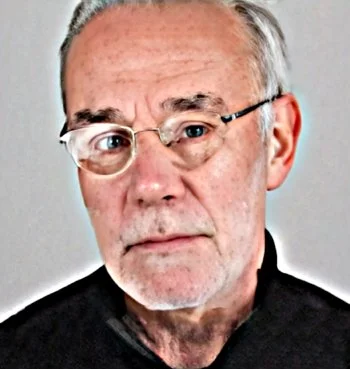
Michael P. Alexander, MD was my behavioral neurology fellowship supervisor in Boston. He was himself a fellow of Norman Geschwind MD who, in turn, was the father of modern behavioral (cognitive) neurology. Geschwind had been trained by Fred Quadfasel MD, who was trained by Kurt Goldstein MD, who had trained with Carl Wernicke. Wernicke, along with Paul Brocca, would be the first to make objective brain-behavior correlations and inaugurated the localizationist school of brain function which Geschwind revived in the 1970’s. Geschwind, sadly, had died a couple of years before I made it to Boston, but his legacy was enormous. Mick was the one who dissuaded me from going into psychiatry. If I wanted to know how brains worked, I needed to study brains! I worked with Mick on a number of projects in the day when CT scans of brains were becoming routine and allowed us to trace lesions caused by stroke and correlate these with functional deficits we measured at the bedside. Apart from his brilliance, the thing that impressed me about Mick was his devotion to, respect for and kindness to his patients. This in contradistinction with his absolute lack of tolerance for foolishness, particularly of the administrative but also of the religious/philosophical kinds. Mick was the quintessential curmudgeon, something we had in common, much to his consternation and my detriment. Mick and I would work together off and on for the next couple of decades.
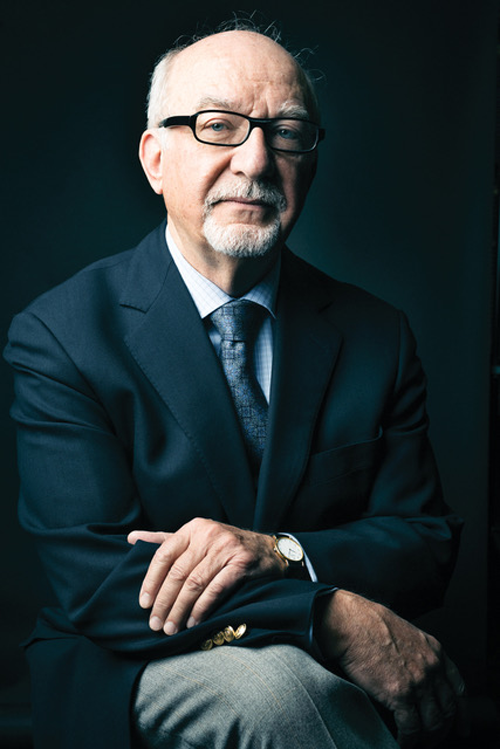
While working with Mick in Boston, I shared an office with Donald T. Stuss PhD who was the head the Rotman Research Institute at Baycrest Hospital in Toronto, part of the University of Toronto. Don tried, unsuccessfully, to recruit me to join an Alzheimer’s clinic at Baycrest. I was a stroke guy pursuing clean, lesion-related double dissociations of brain and behavior relationships. Dementia was messy and nebulous. This was before tacrine (the first acetylcholinesterase inhibitor) came around and turned behavioral neurology to drug money from pharma (not that I’m bitter about that). Don eventually succeeded in bringing me up to Baycrest to start up a stroke clinic and develop a stroke-based research program to parallel the work they were doing in dementia and I was there for 7 years. Don had a great knack for bringing people together and stimulating innovative work. The Rotman did everything from theoretical neurocomputation to nutrition, a testament to Don’s vision and skill. Don had a gentle way about him and taught me a lot about softening up my rough edges, though not as completely as one might wish. He got along with anybody and everybody. He knew potential and how to navigate it successfully to harbor. I learned a lot about encouraging a team to work together and get results. Sadly, Don passed away shortly after retiring from leading the Rotman.
So, I’m thankful for the richness these mentors have contributed to my life. No doubt I could have done more and better, but such is life. We all have a choice of which authorities we allow to be influential in our lives. I’ve been fortunate enough to have had several, stellar mentors to learn from and emulate. I hope I can contribute likewise in some small way. Maybe through this blog?